The Incredible Process of Egg Formation Inside the Human Body
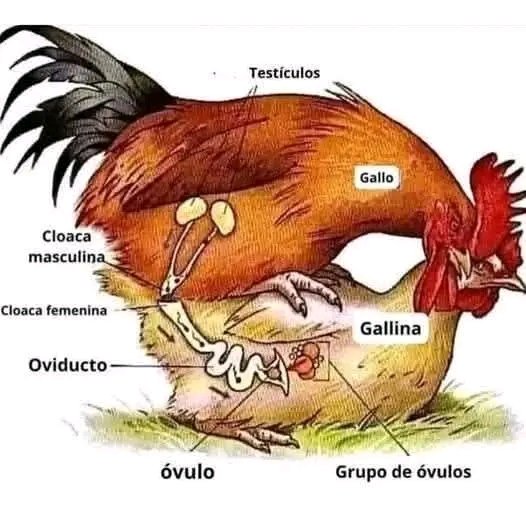
Egg formation is one of the most fascinating and complex biological processes in the human body, yet it often goes unnoticed. Long before birth, a female’s body begins preparing for a process that will continue for decades, shaping fertility, hormones, and overall reproductive health. Unlike sperm, which are produced continuously, human eggs follow a very different and highly selective journey.
A female is born with all the eggs she will ever have—around one to two million immature eggs, called oocytes. These eggs are stored in the ovaries and remain dormant for years. By the time puberty begins, that number has already dropped significantly due to a natural process called atresia, where the body breaks down unused eggs. From this point forward, the ovaries release only a small fraction of the original supply.
Each month, the body begins a carefully timed hormonal cycle. Follicle-stimulating hormone (FSH) signals the ovaries to mature several follicles, each containing an immature egg. Although multiple follicles may start developing, usually only one egg becomes dominant. This egg matures inside a fluid-filled sac, preparing for release.
Around the middle of the menstrual cycle, a surge of luteinizing hormone (LH) triggers ovulation. The mature egg is released from the ovary and enters the fallopian tube, where it has a short window—about 12 to 24 hours—to be fertilized. If sperm is present and fertilization occurs, the egg begins dividing and may implant in the uterus. If not, the egg disintegrates and is absorbed by the body.
What makes this process remarkable is its precision. Hormones must rise and fall at exactly the right times. The egg must mature properly, release successfully, and travel smoothly through the reproductive tract. Any disruption—stress, illness, hormonal imbalance, or age-related changes—can affect egg quality or ovulation.
As women age, both the number and quality of eggs decline. This is why fertility decreases over time and why chromosomal abnormalities become more common later in life. The body does not simply run out of eggs; the remaining ones may no longer function as efficiently.
Egg formation is not just about reproduction—it reflects overall health. Nutrition, sleep, stress levels, and lifestyle choices all influence hormonal balance and ovarian function. This quiet, ongoing process is a powerful reminder of how intricately the human body works, carrying out extraordinary biological tasks without us ever feeling a thing.
