What Are Eye Floaters? Here’s What To Do If You Start Seeing Them
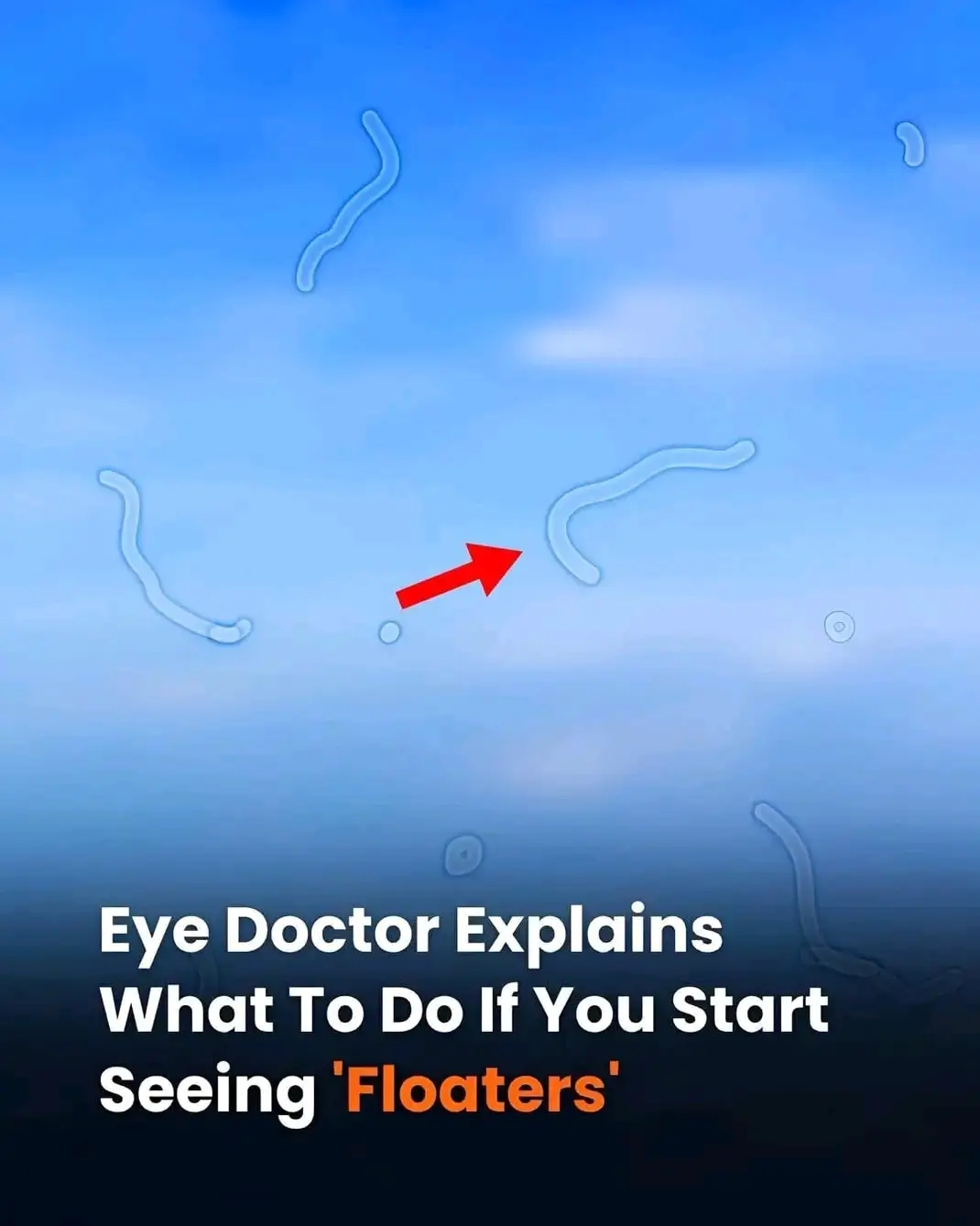
Have you ever noticed tiny dots, threads, or shadowy shapes drifting across your vision—especially when looking at a bright sky or white wall? These are called eye floaters, and while they’re usually harmless, they can sometimes signal a more serious eye issue. Knowing what they are and when to take action is important for protecting your vision.
What Eye Floaters Actually Are
Eye floaters are small clumps of gel or cells inside the vitreous, the clear, jelly-like substance that fills the inside of your eye. As we age, the vitreous naturally becomes more liquid, and tiny fibers inside it can clump together. These clumps cast shadows on the retina, which is why you see them floating in your field of vision.
Floaters often move when your eyes move and seem to dart away when you try to look directly at them.
Why Do They Appear?
The most common cause of eye floaters is aging, especially after age 40. They can also appear due to nearsightedness, eye injuries, inflammation inside the eye, or after eye surgery. In many cases, floaters are simply a normal part of the eye’s natural changes over time.
When Floaters Are a Warning Sign
While most floaters are harmless, sudden changes should never be ignored. If you notice a sudden increase in floaters, flashes of light, a dark curtain or shadow in your vision, or partial vision loss, this could indicate a retinal tear or detachment. These are medical emergencies that require immediate attention to prevent permanent vision loss.
What You Can Do If You See Floaters
If floaters appear gradually and don’t interfere with your vision, they often become less noticeable over time as the brain learns to ignore them. Staying hydrated, protecting your eyes from injury, and getting regular eye exams can support overall eye health.
However, if floaters appear suddenly, worsen quickly, or are accompanied by light flashes or blurred vision, seek an eye doctor immediately. Early treatment can preserve eyesight.
Can Floaters Be Treated?
In most cases, treatment isn’t necessary. In severe cases where floaters significantly affect vision, a specialist may discuss options such as laser treatment or surgery, but these are usually reserved for extreme situations due to potential risks.
The Bottom Line
Eye floaters are common and often harmless, but your eyes should never be ignored. Paying attention to changes in your vision and acting quickly when symptoms worsen can make all the difference. When it comes to your eyesight, it’s always better to be cautious than sorry.
